Khwaja Garib Nawaz
Khadim at Ajmer
Sharif Dargah
A Khwaja Garib Nawaz
Khadim is someone
who helps pilgrims
and maintains the
customs of Hazrat
Khwaja Moinuddin
Chishti's shrine in
Ajmer Sharif. For
visitors planning a
ziyarat,
understanding what a
khadim does can make
the visit easier,
especially when they
need help with
prayers, chadar,
offerings, or other
traditional
services.
Who Is a Khadim
at Ajmer Sharif?
The term
Khadim
refers to a person
who serves and
assists others. At
Ajmer Sharif Dargah,
Khadims have a
long-standing
connection with the
service of the
shrine and the
guidance of
devotees.
Traditionally,
Khadims have played
an important role in
assisting visitors
and helping them
with the customary
practices associated
with ziyarat.
At
Ajmer Sharif, the
role of a Khadim is
not limited to
guidance. During
ziyarat, a Khadim
may explain
customary practices
and etiquette and
assist devotees
during their visit.
Khadims may also be
associated with the
care and day-to-day
service of the
shrine.
The Khadim community
has a long
historical
association with
Ajmer Sharif Dargah.
Historical accounts
relating to the
shrine include
references to
Khadims, Mujavirs,
and offerings made
at the Dargah during
different periods.
These accounts
reflect the
traditional
connection of the
Khadim community
with the service of
the shrine.
For devotees, a
Khadim can provide
guidance and
assistance during
ziyarat and darshan.
The position of a
Gaddi Nasheen and
Key Holder carries
its own historical
and administrative
significance.
Syed Haider
Nawaz Chishty
provides guidance to
devotees regarding
ziyarat, darshan,
and services
associated with the
Dargah.
Before arranging any
service, ziyarat
assistance, booking,
or payment, visitors
should ask for clear
information about
the service,
arrangements, and
applicable charges,
as services and
arrangements may
vary between
individual Khadims.
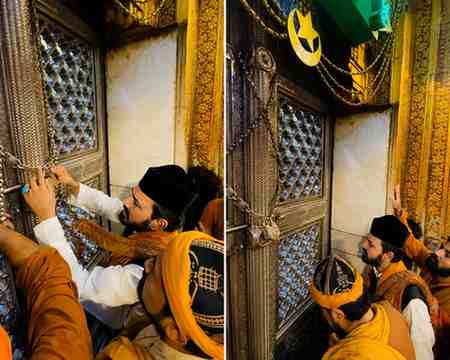
Khwaja Garib
Nawaz Khadim:
Understanding the
Traditional Role
The traditional role
of a Khadim at the
shrine of Hazrat
Khwaja Garib Nawaz (R.A.)
is closely
associated with
service,
hospitality, and
guidance. Devotees
visit Ajmer Sharif
from different
cities, states, and
countries, and many
are visiting the
Dargah for the first
time. For such
visitors, having
someone familiar
with the customary
practices can make
the experience
easier to understand
and navigate.
A
knowledgeable Khadim
can guide devotees
about the customs
and etiquette
associated with
ziyarat and other
traditional
services. Depending
on the service
requested, this may
include assistance
with ziyarat, Chadar
Pesh, dua, nazrana,
or other offerings.
The nature of
assistance may
differ from one
Khadim to another,
so visitors should
always confirm the
details beforehand.
It
is also important to
maintain a
respectful and
realistic
understanding of the
Khadim's role. A
Khadim may offer
guidance and
assistance, but
should not be
presented as someone
who can guarantee
that a particular
wish will be
fulfilled. Religious
devotion is deeply
personal, and claims
of guaranteed
results should be
approached with
caution.
Why Do Visitors
Seek Assistance?
Ajmer Sharif is a
major place of
ziyarat, and
visitors often have
practical questions
before or during
their visit. Some
may want to know how
to offer a chadar
respectfully, while
others may need help
understanding
traditional
arrangements for a
family member who
cannot travel.
A khadim may provide
guidance according
to the customs
followed by their
family or service
tradition. Visitors
should feel
comfortable asking
about the process,
expected
arrangements, and
any applicable
offering or service
costs beforehand.
Clear communication
is especially useful
for people
travelling from
outside Ajmer. It
helps avoid
confusion and allows
the devotee to focus
on the purpose of
their ziyarat.
Services
Visitors May Ask
About
Depending on the
individual and the
arrangements
available, devotees
may ask about
several traditional
services.
Ziyarat guidance:
Visitors who are
unfamiliar with the
dargah can ask for
basic guidance about
the ziyarat and
customary etiquette.
Chadar Pesh:
A chadar may be
offered at the
blessed shrine as an
expression of
devotion and
respect. Anyone
arranging this
service should
confirm the details
beforehand.
Dua and religious
guidance:
Some devotees seek
assistance with
presenting their
prayers
respectfully. A
khadim may explain
customary practices
without making
promises about the
outcome of a prayer.
Nazrana and
offerings:
Visitors may wish to
present an offering
or gift in
connection with
their visit. It is
sensible to
understand what is
being arranged and
to whom any payment
is being made.
Deg and Niyaz
arrangements:
Ajmer Sharif is also
associated with the
traditional Deg and
distribution of
Niyaz. People
interested in such
arrangements should
ask about
availability,
procedure, and
current requirements
before making a
booking.
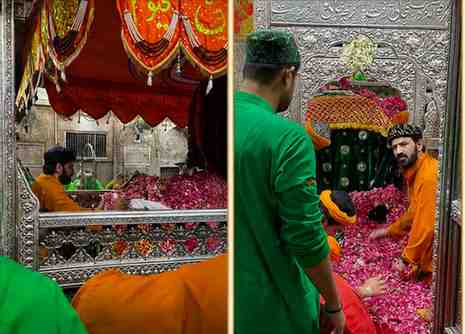
What Should You
Check Before Taking
a Service?
A respectful
religious visit
should also be a
transparent one.
Before accepting any
paid arrangement,
ask for the complete
details.
Check what service
is actually
included, whether
the arrangement is
for an individual or
a group, and whether
any additional
charges apply. If
you are arranging
something online,
ask for confirmation
of the request and
keep the relevant
communication for
your records.
Avoid anyone who
claims to possess
special powers,
guarantees a
miracle, or
pressures you into
paying immediately.
Genuine guidance
does not need
exaggerated
promises.
Visitors should also
remember that the
role of a khadim and
the administrative
management of a
historic shrine are
not necessarily the
same thing. The
dargah has its own
institutional and
historical
arrangements, while
individual khadims
may provide
traditional
religious and
visitor assistance.
Historical
Connection With the
Shrine
The khadim tradition
is often discussed
in connection with
the descendants and
service families
associated with the
Ajmershrine.
Historical material
on the dargah
records references
to hereditary
service and to
people who assisted
at the shrine across
different periods.
One historical
account identifies
Hazrat Khwaja Syed
Fakhruddin Gurdezi (R.A.)
as having a close
connection with
Hazrat Khwaja
Moinuddin Chishti (R.A.)
and describes him as
a special khadim.
Such accounts form
part of the
traditional history
surrounding the
khadim community.
Because historical
traditions can
contain different
family accounts and
interpretations, it
is better to present
them carefully
rather than making
absolute claims that
cannot be
independently
established.
Visiting Ajmer
Sharif With Respect
Ajmer Sharif
welcomes people who
come with different
backgrounds and
personal reasons for
ziyarat. Visitors
should maintain
appropriate decorum,
respect the sanctity
of the shrine, and
follow the
instructions
applicable at the
dargah.
Dress modestly, keep
your belongings
secure, and be
patient when the
area is busy. During
important occasions
and Urs, the number
of visitors can
increase
considerably, so
additional planning
may be helpful.
If you are visiting
with elderly family
members or children,
consider their
comfort when
planning the timing
of your visit.
.jpeg)
Online
Assistance and
Contact
Some devotees cannot
travel to AjmerDargah but
still wish to
arrange a
traditional service
connected with their
family or loved
ones. In such
situations, online
communication can
make it easier to
ask questions before
making any
arrangement.
For information and
assistance through
the website,
visitors can refer
to Ajmer
Sharif Dargah
services at
https://www.ajmer-sharif.com/.
The contact number
provided for
assistance is
+918000956411.
Before sending money
or arranging any
service, confirm the
service details,
charges, and
recipient
information
directly.
Common Questions
About Ajmer Sharif
Khadims
Can a khadim
help with ziyarat?
Yes, traditional
khadim services can
include guidance for
devotees visiting
the shrine. The type
of assistance
depends on the
individual service
provider and the
arrangements
available.
Can I arrange a
chadar pesh without
visiting Dargah?
Arrangements may be
possible through
online or telephone
assistance,
depending on the
service provider.
Confirm the
procedure and obtain
clear details before
making a payment.
What is the
difference between a
khadim and a dargah
administrator?
They are not
necessarily the same
role. A khadim is
traditionally
associated with
service to devotees
and shrine-related
customs, while
formal
administration of a
shrine may be
handled through an
institutional or
statutory system.
Should I pay a
khadim for guidance?
Some traditional
services may involve
an offering or
service charge. Ask
beforehand what
payment is being
requested and what
it covers. Do not
rely on claims of
guaranteed blessings
or results.
Can someone
arrange a service on
behalf of another
person?
In many cases,
people ask for
assistance for
relatives or friends
who cannot travel.
The exact
arrangement should
be confirmed with
the person providing
the service.
A Respectful
Approach to Ziyarat
The importance of
visiting Ajmer
Sharif lies in the
devotion and respect
with which people
approach the shrine
of Hazrat Khwaja
Garib Nawaz (R.A.).
A khadim can provide
practical
assistance, but the
devotee's intention,
prayer, and personal
faith remain matters
of individual
belief.
For anyone planning
a visit, the best
approach is to ask
questions openly,
understand the
arrangements
beforehand, and
avoid unverified
promises. Clear
information and
respectful conduct
can make the
experience easier
for both first-time
visitors and
returning devotees.

May Allah accept
your Niyaz, Mannat,
and prayers, and
bless you and your
family with peace,
happiness, and
prosperity. Ameen.