Ajmer Sharif Dargah India:
A Respectful Guide to Khwaja Garib Nawaz
Ajmer
Sharif Dargah India is one of the most respected Sufi pilgrimage
destinations in Rajasthan and is closely associated with Hazrat Khwaja
Moinuddin Chishti (R.A.), lovingly known as Khwaja Garib Nawaz. Located
in the historic city of Ajmer, the shrine attracts visitors who come for
ziyarat, dua, spiritual reflection and to experience a centuries-old
tradition of devotion. Rajasthan Tourism describes the shrine as an
important landmark and a place visited by people of different faiths.
The Spiritual Importance of Khwaja Garib
Nawaz
Hazrat
Khwaja Moinuddin Chishti (R.A.) is remembered for a tradition of
compassion, service to humanity and spiritual guidance. His teachings
became closely associated with the Chishti tradition of Sufism, and
Ajmer became the centre of his life and legacy in India.
For many
visitors, a journey to the shrine is not simply sightseeing. It is an
opportunity to offer dua, pay respects and spend time in an atmosphere
of devotion. People arrive from different parts of India and from other
countries, each with their own personal reasons for making the journey.
The shrine
remains an important part of Ajmer's cultural and religious identity.
Government sources also identify the city as a pilgrimage centre
connected with the resting place of Khwaja Moinuddin Chishti.
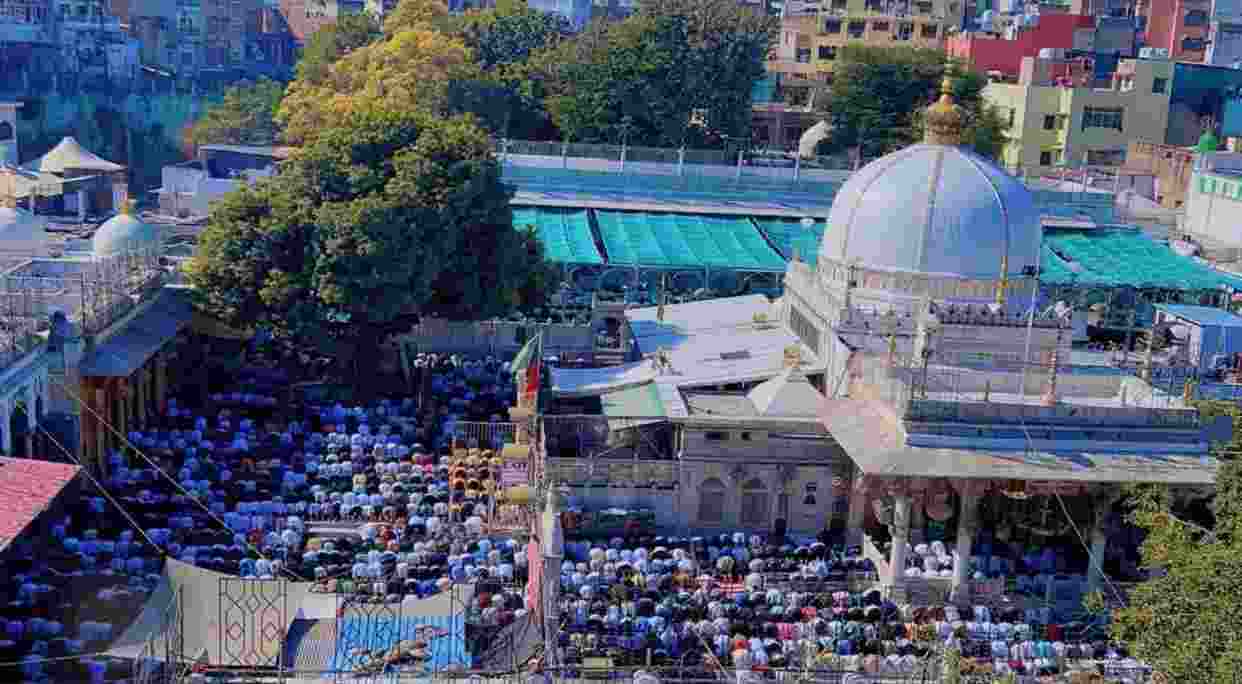
Ajmer Sharif Dargah India: History and
Heritage
The history
of the shrine is connected with the life of Khwaja Moinuddin Chishti (R.A.),
who came to Ajmer in the medieval period and remained there until his
passing in 1236. The shrine developed over centuries, with important
additions made during different periods of Indian history.
Its
association with the Mughal period is particularly visible in the
architecture of the complex. Rajasthan Tourism notes the presence of
important gates and Mughal-era structures, including the Shah Jahan Gate
and mosques within the complex.
The
relationship between Ajmer and the Mughal rulers was also significant.
Emperor Akbar was known for visiting the shrine, while the complex
received architectural contributions during the reigns of Akbar and Shah
Jahan. These historical layers have helped make the site both a
spiritual destination and an important part of Rajasthan's heritage.
The Main Gates and Courtyards
Visitors enter the shrine
complex through its historic gateways before reaching the courtyards and
the central area containing the revered tomb.
The Nizam Gate, Shah Jahan
Gate and Buland Darwaza are among the prominent gateways associated with
the complex. Each reflects a different period of its architectural
history and contributes to the distinctive character of the shrine.
Inside, the atmosphere
changes from the busy streets of the surrounding market to a more
devotional setting. Flowers, incense, prayers and traditional religious
practices form part of the experience for many pilgrims.
What Visitors May Do During Ziyarat
A visitor can approach the
shrine with respect and follow the customary practices of the place.
Ziyarat may include offering dua and paying respects at the sacred
resting place of Khwaja Sahib.
Some devotees bring flowers
or a chadar as an offering. Others simply visit, pray and spend a quiet
moment reflecting on their intentions. There is no need to treat the
visit as a sightseeing checklist; patience, respect and consideration
for other visitors are important.
Visitors should also follow
any instructions given by the shrine authorities or local staff,
particularly during busy religious occasions when large numbers of
pilgrims may gather.
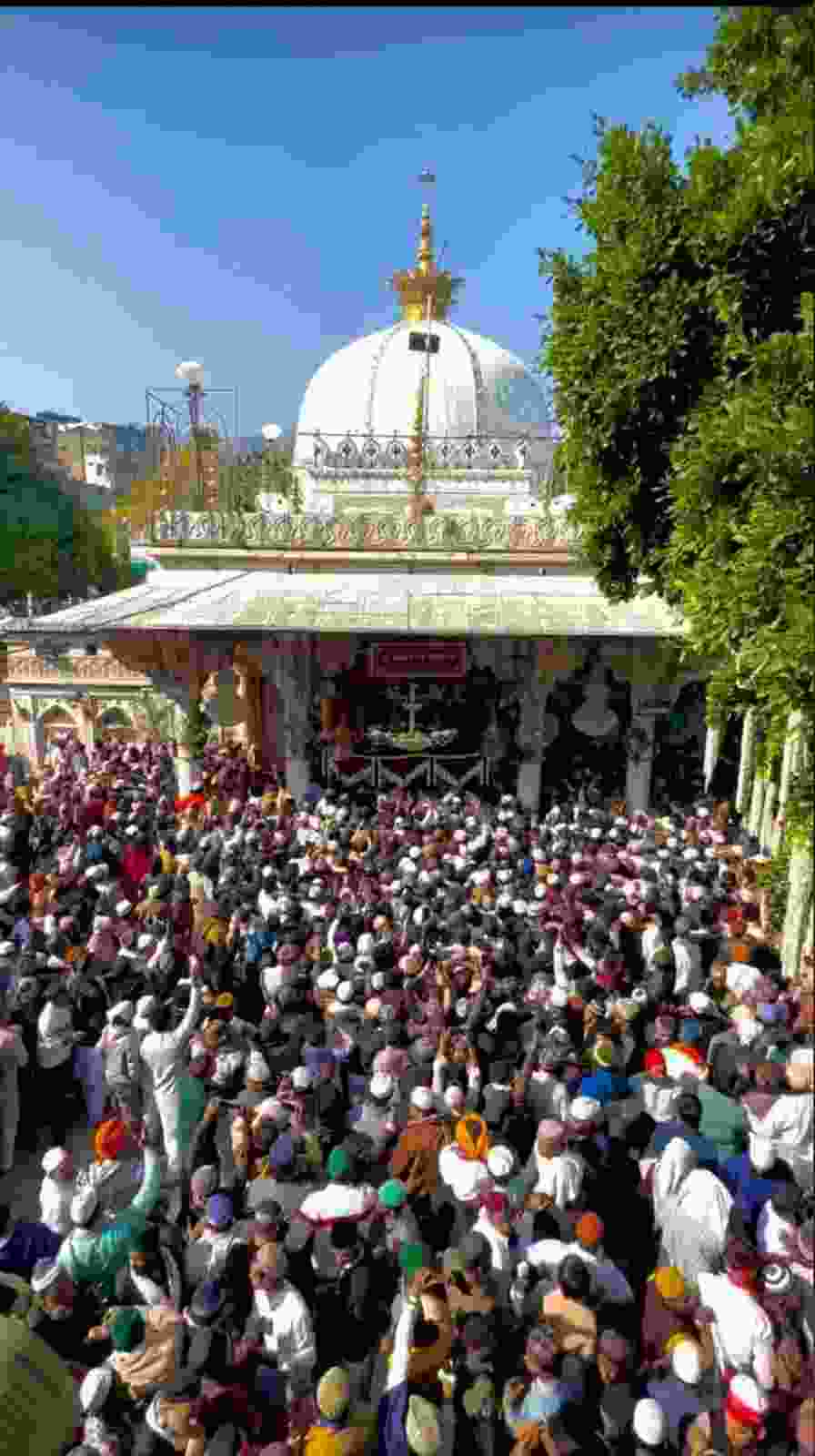
Chadar, Flowers and Traditional Offerings
Offering a chadar is a
long-established devotional practice associated with visits to the
shrine. A devotee may bring a chadar as an expression of respect, prayer
or gratitude.
Flowers are also commonly
associated with ziyarat. The important point is to approach such
offerings with sincerity rather than treating them as a guarantee of a
particular result.
If someone is arranging an
offering from outside Ajmer, it is sensible to confirm the current
arrangements, availability and procedure before making any payment.
Practices and arrangements can change, particularly around major
occasions.
Deg and the Tradition of Food
Distribution
One of the distinctive
features associated with the shrine is the tradition of cooking food in
large degs, or cauldrons. Rajasthan Tourism specifically highlights the
large cooking vessels and the distribution of food connected with the
shrine.
The deg tradition is
closely connected with hospitality, devotion and the sharing of food.
Historical accounts also connect large degs at the shrine with the
Mughal period. During the Urs, the scale of activity around food
preparation and distribution becomes especially significant.
For visitors, this
tradition is a reminder that the shrine's heritage is expressed not only
through architecture and prayer but also through service and communal
hospitality.
Urs of Khwaja Garib Nawaz
The annual Urs commemorates
the passing of Hazrat Khwaja Moinuddin Chishti (R.A.) and is one of the
most important religious gatherings associated with Ajmer.
The Urs takes place
according to the Islamic lunar calendar during Rajab. Government
educational material from Rajasthan records the traditional six-day Urs
period and describes practices including chadar offerings, qawwali
programmes, flag ceremonies and food prepared in the degs.
Because the dates follow
the Islamic calendar, visitors planning a journey should check the
relevant year's officially announced schedule rather than relying on an
old date.
During the Urs period,
Ajmer becomes exceptionally busy. Anyone planning to visit should allow
additional time for travel, accommodation, local movement and entry
arrangements.
How to Reach the Shrine
Ajmer is a well-connected
city in Rajasthan and is located around 130 kilometres southwest of
Jaipur. The city is also close to Pushkar, making it possible for
travellers to include both destinations in a Rajasthan itinerary.
Within Ajmer, visitors can
use local transport such as auto-rickshaws and other city services to
reach the area around the shrine. Rajasthan Tourism also mentions local
buses and traditional transport options for reaching the Dargah area.
If you are travelling
during Urs or another major religious occasion, plan ahead because roads
and local areas can become considerably busier than usual.
Respectful Visitor
Guidance
A visit to a religious
shrine deserves sensitivity. Dress modestly, speak respectfully and be
considerate of people who are praying.
Keep personal belongings
secure in crowded areas and avoid disturbing worshippers while taking
photographs. If photography or filming is restricted in a particular
area, follow the instructions provided there.
It is also wise to verify
prices, donation arrangements, accommodation claims and service details
before making a payment. For online services, use clear contact
information and ask for the exact details of what is being arranged.
For information and online
assistance related to the services offered through this website,
visitors can refer to
Ajmer
Sharif Dargah website or contact the provided number:
+918000956411.
Why People Continue to Visit Ajmer
The enduring appeal of
Ajmer comes from the combination of spirituality, history, architecture
and living tradition. The shrine is not an isolated monument; it remains
part of an active religious and cultural environment.
For some visitors, the
journey is connected with a personal dua. For others, it is an
opportunity to learn about the Chishti tradition, experience the
atmosphere of a historic pilgrimage centre or pay respects to Khwaja
Garib Nawaz.
The surrounding city adds
another dimension to the visit. Ajmer's history stretches across several
ruling periods, while nearby Pushkar offers another major cultural and
religious destination.
Frequently Asked Questions
Who is Khwaja Garib Nawaz?
Khwaja Garib Nawaz is the
widely used honorific name for Hazrat Khwaja Moinuddin Chishti (R.A.),
the renowned Sufi saint whose resting place is in Ajmer.
Can people of different faiths visit the
shrine?
The shrine is widely
visited by people from different religious backgrounds. Rajasthan
Tourism describes it as a place whose doors are open to people of all
faiths and religions.
What is ziyarat?
Ziyarat means visiting a
sacred place or revered resting place with the intention of paying
respects and offering prayers or dua. At Ajmer, many visitors come
specifically for the ziyarat of Khwaja Sahib.
What is the Urs?
The Urs is the annual
commemoration of the passing of Hazrat Khwaja Moinuddin Chishti (R.A.).
It is observed according to the Islamic calendar and is marked by
religious and cultural traditions.
What is a deg?
A deg is a large cooking
vessel traditionally used to prepare substantial quantities of food. The
degs associated with the shrine are an important part of its
food-sharing tradition.
A Visit Rooted in Respect and Devotion
A meaningful visit to the
shrine begins with the right intention. Whether someone comes to offer a
chadar, make dua, perform ziyarat, learn about the history of Khwaja
Garib Nawaz or simply experience the spiritual atmosphere of Ajmer,
respect should remain at the centre of the journey.
The legacy of Hazrat Khwaja
Moinuddin Chishti (R.A.) continues to connect history with living faith.
That continuing tradition is what gives the shrine its special place in
the cultural and spiritual landscape of Rajasthan.